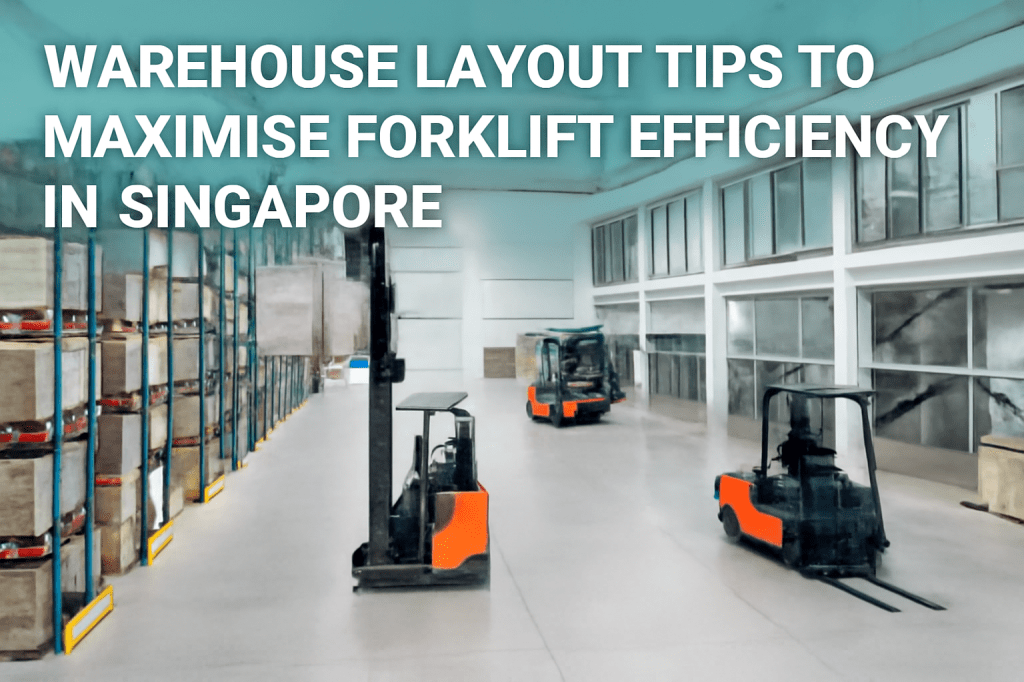
In the high-stakes, space-constrained logistics environment of Singapore, efficiency isn’t just a goal—it’s a necessity for survival and growth. The heart of any bustling warehouse is its fleet of forklifts, tirelessly moving goods to meet the demands of a fast-paced market. However, the performance of these machines is profoundly influenced by the environment they operate in.
An optimised warehouse layout is the unsung hero that can dramatically boost productivity, enhance safety, and reduce operational costs. For any business relying on a forklift singapore, here are essential layout tips to maximise efficiency.
1. Embrace the Power of an Electric Fleet
The first step towards internal efficiency begins with your equipment choice. The shift towards the electric forklift singapore market is booming, and for good reason. Electric forklifts are not only quieter and produce zero emissions—a critical factor for indoor air quality—but they also require narrower operating aisles compared to their internal combustion (IC) counterparts.
This inherent trait allows you to design a layout with narrower aisles, instantly increasing your storage density without expanding your footprint. In a country where every square foot is a premium, the space saved by using an electric fleet directly translates to higher storage capacity and reduced travel time for operators.
2. Right-Angle Stacking Aisles: The Width Matters
The most critical measurement in your layout is the width of your aisles. This is determined by the turning radius of your forklift and the length of the load. For a standard singapore forklift, aisles must be wide enough to allow the truck to make a 90-degree turn into a racking bay comfortably.
A common mistake is making aisles too narrow, which forces operators to manoeuvre in multiple shifts, drastically slowing down operations and increasing the risk of racking and product damage. Consult with your forklift company in singapore to understand the precise turning radius of your specific models and design your aisles accordingly. A well-planned aisle width ensures smooth, single-motion stacking and retrieval.
3. Implement a Logical, One-Way Traffic Flow
Chaos is the enemy of efficiency. One of the most effective ways to eliminate congestion and prevent accidents is to design a logical, one-way traffic flow system. This involves creating a clear clockwise or counter-clockwise loop for your forklifts to follow. Designate separate lanes for travelling with loads and returning empty. Use clear floor markings, signage, and even different coloured lights to guide operators. This organised flow minimises the chances of head-on collisions, reduces driver stress, and creates a predictable rhythm that speeds up the entire picking and putting-away process.
4. Strategic Staging Areas and Clear Floor Markings
A cluttered floor is a slow and dangerous floor. Designate specific, clearly marked zones for staging: incoming goods, outbound orders, quality control, and returns. This prevents forklifts from making unnecessary trips across the warehouse and reduces “searching time.” Comprehensive floor markings using ISO-standard colours (e.g., yellow for traffic lanes, white for storage, red for prohibited areas) are a simple yet powerful tool. They create a visual management system that every operator can instantly understand, ensuring that pathways remain clear and workflow is intuitive.
5. Vertical Space Utilisation and Clear Height Signage
Singapore’s warehouses must look up, not out. Maximise your cubic capacity by installing taller racking systems, but ensure your layout accounts for them. Your forklifts must be equipped with the right mast and lifting height capabilities. Clearly mark height restrictions on entry and exit points of aisles and at building support columns. This prevents accidents and ensures operators are aware of the clearances needed for safe operation, especially when moving with elevated loads.
6. Prioritise Maintenance Access in Your Design
Efficiency grinds to a halt when a forklift breaks down. Your layout must include easy-to-access designated areas for charging (for your electric forklift singapore fleet) and maintenance. These areas should be well-ventilated, equipped with the necessary power sources, and located away from main traffic flows to avoid congestion. A proactive maintenance schedule provided by a reliable forklift servicing singapore partner is crucial, but your layout must support it. Easy access means technicians can perform servicing and repairs quickly, minimising downtime and getting your equipment back on the floor faster.
Partnering for Success
Designing an optimal warehouse is not a one-time project but an ongoing process of refinement. Partnering with a reputable forklift company in singapore is invaluable. They can conduct a site survey, provide insights into the best equipment for your layout, and offer training for your operators to adapt to the new flow. Furthermore, a consistent forklift servicing singapore program ensures your fleet remains in peak condition, upholding the efficiency your layout was designed to achieve.
By thoughtfully integrating these layout principles, you transform your warehouse from a static storage facility into a dynamic, high-velocity hub. You empower your operators, protect your assets, and ultimately, strengthen your competitive edge in Singapore’s demanding logistics landscape.
 Paves Asia Pacific
Leave a comment