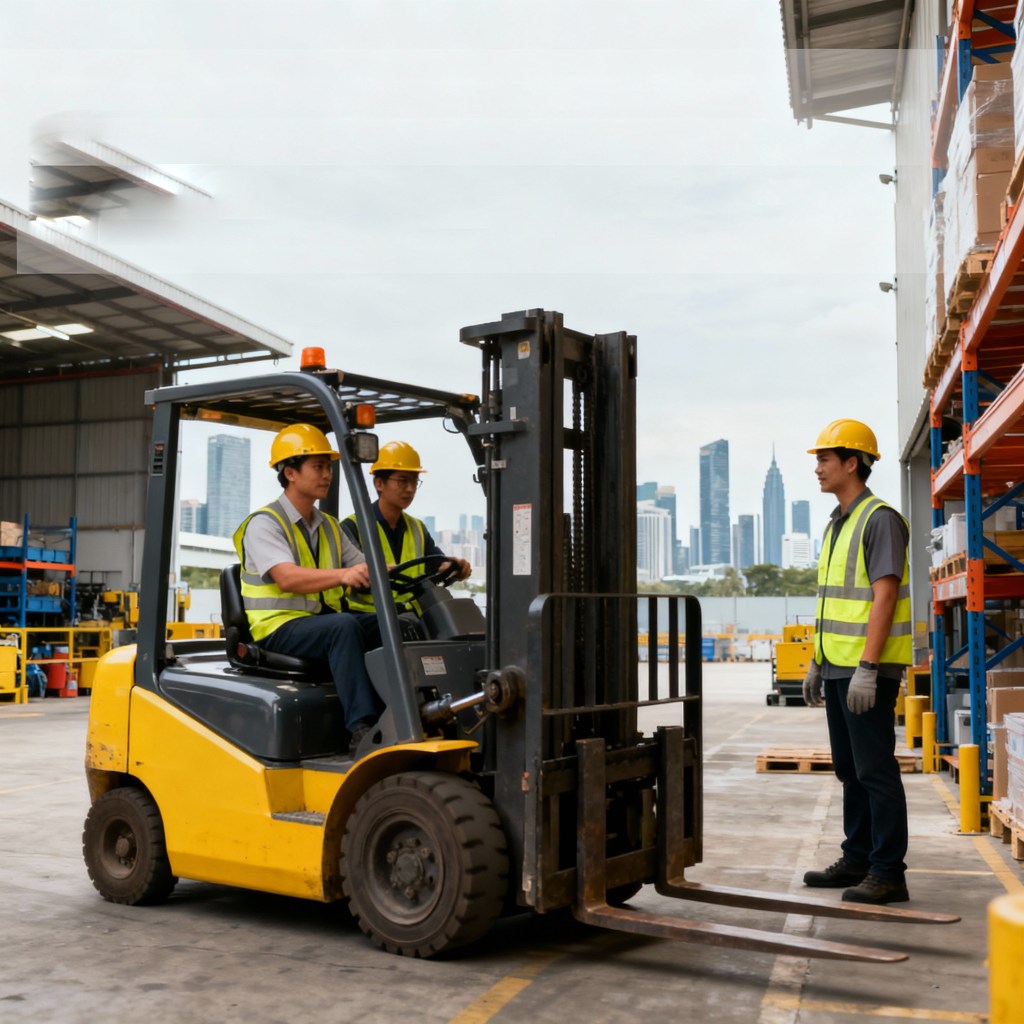
In the fast-paced industrial and logistics hubs of Singapore, efficiency and productivity are paramount. For many businesses, owning a fleet of forklifts isn’t always the most practical or financially sound option. This is where the strategic decision to opt for a forklift rental comes into play. It offers flexibility, reduces capital expenditure, and transfers maintenance burdens to the provider. However, renting a forklift in Singapore comes with a significant responsibility: ensuring unwavering safety and strict regulatory compliance.
Whether you’re searching for a fork truck rental for a short-term project or a long-term forklift truck rental to supplement your operations, understanding the legal and safety landscape is non-negotiable. This guide will walk you through the essential steps to ensure your rented equipment operates safely, legally, and efficiently.
Why Forklift Rental in Singapore is a Strategic Choice
The market for forklift rental Singapore in Singapore is robust for a reason. Renting allows businesses to:
- Scale operations up or down based on project demands.
- Access modern, well-maintained equipment without large upfront costs.
- Mitigate risks associated with equipment obsolescence and major repairs.
When you secure a forklift truck for rent, you are not just acquiring a piece of machinery; you are entering a partnership with a service provider. The quality of this partnership directly impacts your site’s safety and compliance.
Step 1: Choosing the Right Forklift Rental Partner in Singapore
Your first and most crucial step is selecting a reputable provider. Not all forklift rental Singapore companies are created equal. Look for a provider with:
- A Diverse and Modern Fleet: They should offer various forklifts (electric, diesel, LPG) suitable for different environments, from crowded warehouses to outdoor construction sites.
- Proven Maintenance Records: Insist on seeing evidence of regular, documented servicing for their equipment.
- Industry Reputation: Check reviews and ask for client references. A reliable provider is an asset to your operation.
The right partner ensures the forklift truck rental you receive is not only functional but also in peak condition, which is the foundation of safety.
Step 2: The Pre-Rental Compliance Checklist
Before any forklift rental agreement is signed, conduct due diligence. The Workplace Safety and Health (WSH) Act in Singapore places the primary responsibility for safety on the person conducting the business undertaking (PCBU)—which is you, the employer or principal.
- Licensed Operators: By law, anyone operating a forklift must possess a valid Forklift Operator Licence issued by an MOM-approved training provider. Never allow an unlicensed individual to operate the equipment. Verify your operators’ credentials are current.
- Risk Assessment: Conduct a thorough risk assessment for the tasks the rented forklift will perform. Identify potential hazards like uneven surfaces, overhead obstructions, pedestrian traffic, and flammable materials.
- Certification of Fitness (COF): Ensure the specific forklift truck for rent has a valid COF. This is a mandatory inspection certificate confirming the forklift is mechanically sound and safe for use. Your rental provider must supply this.
Step 3: Essential Forklift Safety Protocols for Your Site
Once the compliant forklift rental services have delivered the equipment, the onus shifts to your site management.
- Pre-Operational Checks: Implement a mandatory daily checklist for operators. This includes inspecting brakes, steering, controls, warning devices, mast, and tires. Any defects must be reported immediately, and the forklift must be taken out of service.
- Pedestrian Segregation: Establish clear pathways and zones to separate forklift traffic from pedestrian workers. Use floor markings, barriers, and signage.
- Load Management: Enforce strict rules on never exceeding the rated load capacity and ensuring loads are stable and securely placed.
- Site-Specific Training: Even licensed operators need to be briefed on your site’s specific layout, traffic rules, and emergency procedures.
Step 4: Understanding the Shared Responsibility Model
Safety is a shared responsibility between you (the renter) and your fork truck rental provider.
- Provider’s Duty: They are responsible for delivering a forklift that is mechanically safe, has a valid COF, and has been maintained according to regulatory standards.
- Renter’s Duty: You are responsible for providing a safe working environment, ensuring only licensed and trained operators use the equipment, and enforcing safe operating procedures daily.
A clear understanding of this division is critical. When exploring forklift rental Singapore options, discuss these responsibilities openly with potential providers. A professional company will welcome this conversation.
Conclusion: Rent Smart, Operate Safely
Opting for a forklift rental in Singapore is a smart business move, but it must be executed with a safety-first mindset. The process extends far beyond a simple transaction; it involves a continuous commitment to compliance, training, and vigilant operational practices.
By carefully selecting your forklift rental services partner, rigorously verifying pre-rental compliance, and enforcing iron-clad safety protocols on your site, you can harness the full productivity benefits of a rented forklift while safeguarding your most valuable asset: your people. In the demanding commercial environment of Singapore, there is no compromise for safety. Make your next rental a benchmark for secure and compliant operations.
 Paves Asia Pacific
Leave a comment