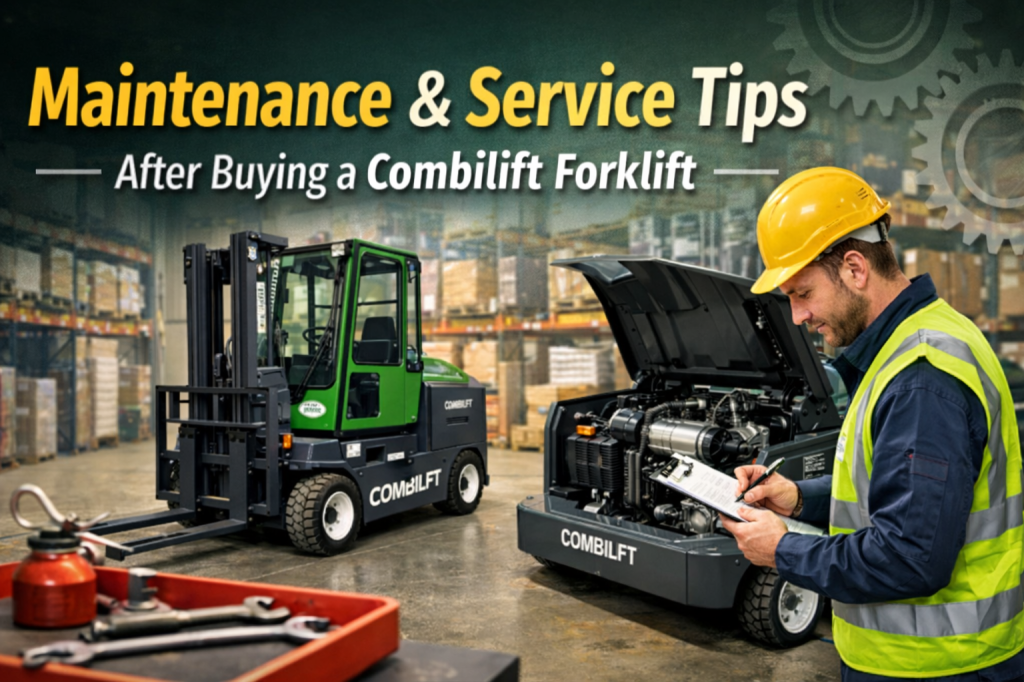
Investing in a new Combilift forklift is a significant commitment to efficiency and safety for your materials handling operations. Whether you have just taken delivery of a Combilift forklift for sale or added a rugged Combilift diesel forklift for sale to your fleet, the real value of your investment is realized through consistent uptime and longevity.
While finding the right Combilift forklift for sale from a reputable Combilift forklift supplier is the crucial first step, the journey doesn’t end there. Proper maintenance is the key to protecting that investment.
This guide provides essential service tips to ensure your multidirectional workhorse remains productive for years to come. If you are currently searching the market for forklifts for sale or exploring Combilift forklifts price options, understanding these post-purchase responsibilities will help you budget and plan for the total cost of ownership. At Paves, we believe that smart buying includes smart planning for maintenance.
1. Embrace Preventive Maintenance with Technology
Modern Combilift units, particularly the C-Series models, are engineered for durability, but they thrive on data. Combilift’s telemetry solution, Combi Connect, is a game-changer for maintenance . This system allows you to monitor critical components in real-time.
- The $5 vs. $1000 Rule: As highlighted by Combilift technicians, small anomalies—like a single electric motor running hotter than the others—can be detected early . Without telemetry, an unplugged fan connector (a $5 fix) can go unnoticed until the motor degrades and fails (a $1000+ repair) . Ensure your telemetry is activated and monitored daily to catch these issues before they cause downtime.
2. Adhere to a Strict Lubrication Schedule
The unique multidirectional nature of a Combilift places specific demands on the mast and carriage. Unlike standard forklifts, the sideways movement requires meticulous care of the mast channels and fork carriage bars.
- Mast Channels: Refer to your C-Series manual for guidance. All roller surfaces where the fork carriage bearings run must be greased periodically. Under normal conditions, a lubrication interval of 250 hours is typical, using graphite grease (avoid spray greases which can be less effective) .
- Fork Positioning Carriage: If your model features hydraulic fork positioning, the bars where the forks traverse must also be kept lubricated to prevent sticking and uneven wear .
3. Prioritize Mast Chain Integrity
The mast chains are the literal lifelines of your lifting operations. Regular inspection is non-negotiable.
- Inspection Frequency: Check for stretch, wear, and damage regularly. The manual provides specific guidelines on “Measuring Chain Stretch” which is vital .
- Environmental Replacement Schedules: Be aware that operating environments drastically affect chain life. For trucks used in harsh conditions (like marine, chemical, or metal processing), it is recommended to replace mast chains and anchor pins after a period not exceeding 4000 operating hours or two years.
For cold store operations, this limit extends to 6000 hours or three years . Ignoring these intervals risks catastrophic failure.
4. Daily Pre-Use Checks
Before the operator starts their shift, a visual and functional check can prevent minor issues from escalating.
- Tyre Inspection: Given the unique steering geometry, check for irregular wear patterns on both the front and rear solid tyres. Uneven wear might indicate an issue with the steering axle alignment or driving habits.
- Hydraulic Fluid and Leaks: Look for any signs of hydraulic fluid leaks around the cylinders and hoses. A small drip today can lead to a major system failure tomorrow.
5. Plan for Genuine Parts and Service
When the time comes for repairs, the quality of parts matters. Whether you purchased a used Combilift forklift for sale or a brand-new model, using genuine Combilift parts ensures the tolerances and durability standards are maintained.
- Battery Care for Electric Models: If you opted for a Combilift electric forklift for sale, proper charging habits are critical. Ensure your charging station is well-ventilated and that you follow the specific watering schedule (for lead-acid batteries) or the charge-cycle guidelines (for lithium-ion) to maximize battery lifespan.
- Diesel Engine Service: For those running a Combilift diesel forklift for sale, regular oil changes, fuel filter replacements, and cooling system checks are paramount to handle the heavy loads these machines are rated for.
Conclusion
Owning a Combilift is about maximizing efficiency in tight spaces and handling complex loads. By implementing a proactive maintenance routine that leverages modern telemetry and adheres to strict mechanical schedules, you protect your bottom line.
Whether you are looking for a forklift truck for sale to expand your fleet or researching the latest Combilift forklifts price list, remember that after-sale care defines the machine’s lifetime value. Trust your equipment, maintain it diligently, and it will move your business forward.
Frequently Asked Questions (FAQs)
Q: How often should I service my new Combilift forklift?
A: Combilift recommends a structured maintenance schedule. The first service is critical at 100 operating hours. Following that, standard service intervals are typically every 500 hours or annually, depending on usage. However, daily pre-use checks and 250-hour lubrication intervals for specific components like the mast are essential .
Q: What is the benefit of Combi Connect for maintenance?
A: Combi Connect is a telemetry system that enables predictive maintenance. It monitors component temperatures, run hours, and performance. It can alert you to anomalies—like a motor overheating due to a simple electrical fault—allowing you to fix it for a minimal cost before it leads to a complete motor failure and costly downtime .
Q: Can I use any type of grease on the mast channels?
A: No. The manufacturer specifies using graphite grease for the mast channels and fork carriage bars. Spray greases are generally discouraged as they may not provide the lasting lubrication required for the roller surfaces .
Q: How long do the mast chains last on a Combilift?
A: The lifespan depends heavily on the operating environment. Under normal conditions, they should be regularly inspected. However, in harsh environments like chemical plants or steel mills, Combilift recommends replacing them after 4000 hours or two years to ensure safety .
Q: Where can I find a reliable Combilift forklift supplier?
A: When looking to buy Combilift forklift units, it is essential to work with authorized distributors who can provide not only the equipment but also genuine parts and certified service support. Companies like Paves can guide you toward the right sourcing solutions and service partnerships for your new or used equipment needs.
 Paves Asia Pacific
Leave a comment