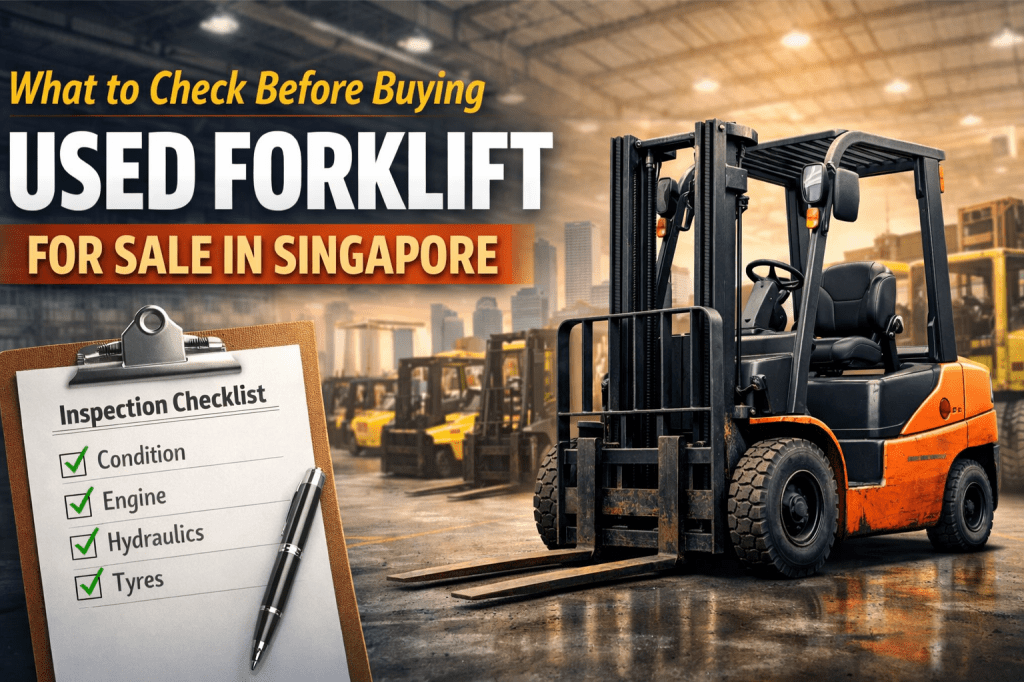
Buying a pre-owned forklift can be a smart investment for businesses looking to optimize costs without compromising performance. Whether you run a warehouse, logistics company, or construction site, choosing the right equipment is essential. However, purchasing a used unit requires careful evaluation to avoid hidden issues and unexpected expenses.
In Singapore’s competitive industrial landscape, the demand for forklift Singapore solutions continues to grow. Many businesses explore forklifts for sale in the secondary market to balance quality and affordability. From small operations searching for a compact Singapore forklift to large warehouses investing in reliable sg forklifts, understanding what to inspect is critical.
A well-maintained used forklift Singapore option can deliver excellent value, especially when sourced from a reputable forklift company in Singapore. Companies like Paves offer trusted solutions, but buyers should still conduct thorough checks before finalizing any purchase.
1. Assess the Overall Condition
Start with a visual inspection. Look for signs of excessive wear, rust, or damage. Pay close attention to:
- Frame and chassis integrity
- Fork arms for bending or cracks
- Hydraulic leaks
- Tire condition
A forklift that appears well-maintained externally is often a good indicator of proper internal care. However, cosmetic condition alone is not enough—always dig deeper.
2. Check the Engine and Performance
The engine is the heart of any forklift. Whether it’s diesel, electric, or LPG-powered, ensure it operates smoothly.
- Listen for unusual noises
- Check for smoke emissions
- Test acceleration and lifting capability
For electric forklifts, inspect the battery health. Battery replacement can be expensive, so knowing its lifespan is crucial.
3. Review Maintenance Records
A reliable seller should provide complete service history for forklift company in singapore. Maintenance records reveal:
- Frequency of servicing
- Past repairs and replacements
- Any recurring issues
Consistent servicing by a professional indicates the forklift has been properly cared for. If records are missing, consider it a red flag.
4. Inspect the Mast and Hydraulics
The mast is responsible for lifting loads, making it one of the most critical components.
- Check for smooth lifting and lowering
- Inspect chains for rust or slack
- Ensure there are no jerks or delays
Hydraulic systems should function seamlessly without leaks or pressure loss. Faulty hydraulics can lead to operational hazards and costly repairs.
5. Evaluate Tire Condition
Forklift tires play a major role in safety and efficiency.
- Solid tires: Check for wear and cracks
- Pneumatic tires: Look for punctures and pressure issues
Worn-out tires can affect stability and increase operating risks, especially in busy warehouse environments.
6. Verify Load Capacity and Specifications
Ensure the used forklift singapore meets your operational needs:
- Rated load capacity
- Lift height
- Turning radius
Always match the specifications with your business requirements. Buying a unit with insufficient capacity can lead to inefficiencies and safety concerns.
7. Test the Controls and Safety Features
Safety should never be compromised. Test all controls and features, including:
- Brakes and steering
- Lights and warning signals
- Horn and reverse alarm
- Seatbelt and operator cabin condition
A properly functioning safety system is essential for compliance and workplace protection.
8. Check for Compliance with Singapore Regulations
Singapore has strict workplace safety standards. Ensure the forklift complies with local regulations and certifications.
- Valid inspection certificates
- Compliance with workplace safety guidelines
- Emission standards (for fuel-powered units)
Non-compliant equipment can result in fines or operational shutdowns.
9. Consider the Age and Usage Hours
Similar to vehicles, forklifts have usage hours that indicate wear and tear.
- Lower hours generally mean less wear
- Compare age vs. usage (a newer forklift with high hours may be more worn than an older one with low hours)
Balance both factors to determine the true condition of the machine.
10. Evaluate the Seller’s Reputation
Always buy from a trusted supplier. A reputable dealer ensures:
- Transparent pricing
- Genuine equipment
- After-sales support
Working with an established provider like Paves can reduce risks and provide peace of mind, especially for first-time buyers.
11. Compare Pricing and Market Value
Do not rush into the first deal. Compare multiple listings to understand market pricing.
- Evaluate similar models
- Consider condition and features
- Factor in repair or upgrade costs
A slightly higher upfront cost for a well-maintained forklift can save significant money in the long run.
12. Inspect Attachments and Accessories
Many forklifts come with additional attachments such as:
- Side shifters
- Fork positioners
- Clamps
Ensure these are in good condition and compatible with your operations. Faulty attachments can reduce productivity and increase maintenance costs.
13. Conduct a Test Drive
A test drive is essential before making a final decision.
- Check maneuverability
- Observe handling under load
- Evaluate operator comfort
This step helps you identify issues that may not be visible during a static inspection.
14. Understand Warranty and Support Options
Some sellers offer limited warranties even on used forklifts.
- Check warranty coverage
- Ask about service packages
- Confirm availability of spare parts
Reliable after-sales support can make a significant difference in long-term performance.
15. Plan for Future Maintenance Costs
Buying a used forklift is not just about the initial price. Consider ongoing expenses:
- Routine servicing
- Spare parts replacement
- Battery or engine repairs
Budgeting for maintenance ensures smooth operations and avoids unexpected downtime.
FAQs
1. Is buying a used forklift in Singapore a good idea?
Yes, it can be a cost-effective solution if you thoroughly inspect the equipment and purchase from a reputable seller.
2. How many hours is too much for a used forklift?
Generally, forklifts with over 10,000 hours may require significant maintenance, but condition matters more than hours alone.
3. Should I choose electric or diesel forklifts?
Electric forklifts are ideal for indoor use due to zero emissions, while diesel models are better suited for heavy outdoor tasks.
4. What documents should I check before buying?
Ensure you review maintenance records, inspection certificates, and compliance documents.
5. Can I get financing for used forklifts in Singapore?
Yes, many dealers and financial institutions offer financing options for both new and used forklifts.
Final Thoughts
Buying a used forklift in Singapore requires a balance of technical inspection, market research, and choosing the right supplier. By carefully evaluating the machine’s condition, verifying compliance, and understanding long-term costs, you can make a smart investment that supports your business operations efficiently.
 Paves Asia Pacific
Leave a comment