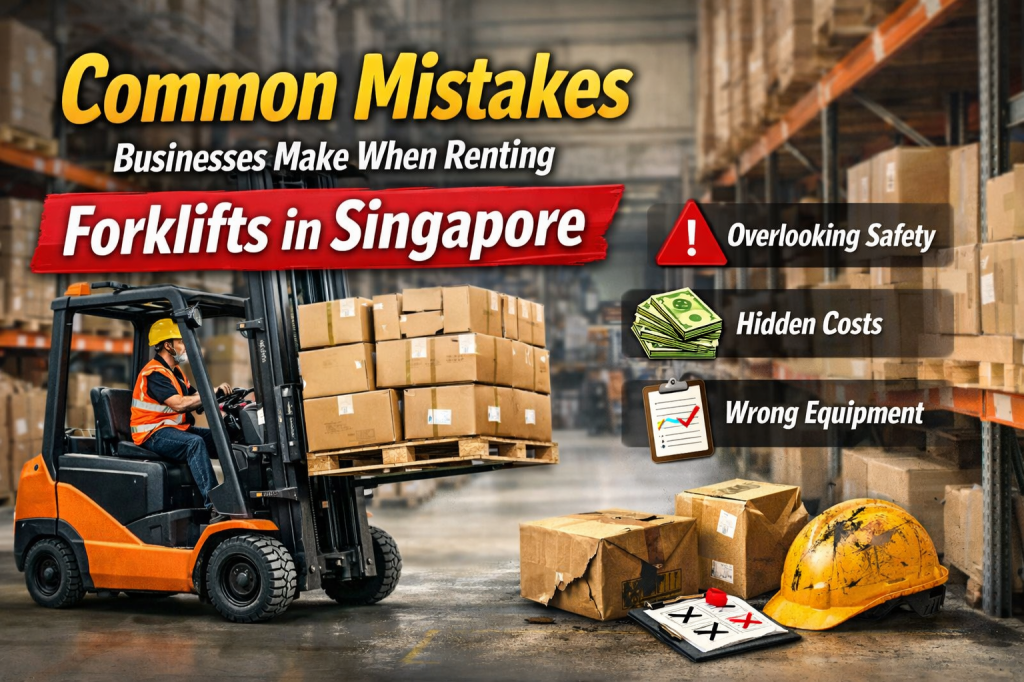
Renting a forklift can be a smart and cost-effective solution for many businesses, especially in a fast-paced logistics hub like Singapore. However, many companies make avoidable mistakes that lead to higher costs, operational inefficiencies, and even safety risks.
Whether you’re exploring a Singapore forklift option for short-term use or considering long-term rentals, understanding these pitfalls can help you make better decisions.
In a competitive market where forklift Singapore demand continues to grow, businesses often rush into agreements without proper evaluation. From choosing the wrong equipment to ignoring maintenance responsibilities, these errors can significantly impact productivity.
Even companies that eventually plan to invest in forklifts for sale, electric forklift for sale, or forklift truck for sale may rely on rentals initially—making it crucial to get it right. Additionally, specialized equipment like combilift forklift for sale models require even more careful selection due to their unique applications.
1. Choosing the Wrong Type of Forklift
One of the most frequent mistakes is selecting a forklift that doesn’t match operational needs. Businesses often underestimate factors like load capacity, lift height, and working environment.
For example:
- Indoor warehouses typically require electric forklifts.
- Outdoor or heavy-duty operations may need diesel or LPG forklifts.
- Narrow aisle setups benefit from specialized models.
Choosing incorrectly can reduce efficiency and increase wear and tear.
2. Ignoring Rental Terms and Hidden Costs
Many businesses focus only on the rental price without reviewing the full contract. This can lead to unexpected charges such as:
- Maintenance fees
- Damage penalties
- Late return costs
- Operator charges
Always read the fine print carefully. A low upfront price might not reflect the total cost of renting.
3. Not Assessing Duration Needs Properly
Another common issue is misjudging how long the forklift will be needed. Short-term rentals often have higher daily rates, while long-term rentals can offer better value.
If your business frequently needs equipment, comparing rental costs with forklift truck for sale options may actually save money in the long run.
4. Overlooking Maintenance Responsibilities
Some rental agreements include maintenance, while others place responsibility on the renter. Failing to clarify this can lead to:
- Unexpected repair costs
- Operational downtime
- Safety risks
Regular inspections and servicing are essential, even for rented equipment.
5. Ignoring Operator Training Requirements
Operating a forklift requires proper training and certification. Businesses sometimes assume their staff can handle the equipment without formal training, which is a serious safety risk.
Untrained operators can:
- Cause accidents
- Damage goods
- Increase liability
Always ensure operators are qualified and experienced.
6. Not Considering Space Constraints
Warehouse layout plays a critical role in forklift selection. Renting a forklift without considering aisle width, turning radius, and storage configuration can lead to inefficiencies.
For example:
- Large forklifts in tight spaces reduce productivity
- Smaller forklifts may lack required lifting power
This is especially important when considering specialized equipment like a combilift forklift for sale alternative, which is designed for multi-directional movement in tight spaces.
7. Failing to Inspect Equipment Before Use
Many businesses skip a proper inspection before accepting a rental forklift. This can result in using faulty or poorly maintained equipment.
Always check:
- Brakes and controls
- Tires and hydraulics
- Battery or fuel system
- Overall condition
Document any existing damage to avoid disputes later.
8. Renting Without a Clear Purpose
Sometimes companies rent forklifts without a clearly defined use case. This leads to underutilization or choosing the wrong specifications.
Ask yourself:
- What tasks will the forklift perform?
- How often will it be used?
- What load capacity is required?
Clear planning ensures better ROI.
9. Not Comparing Multiple Suppliers
Choosing the first rental provider you find is another common mistake. Different suppliers offer varying:
- Pricing structures
- Equipment quality
- Support services
Take time to compare options and evaluate reliability.
10. Ignoring Future Business Needs
Many businesses focus only on immediate requirements without considering future growth. If your operations are expanding, it may be worth exploring ownership options like electric forklift for sale instead of repeated rentals.
Planning ahead helps reduce long-term costs and improves operational efficiency.
11. Poor Communication with Rental Provider
Lack of clear communication can lead to misunderstandings about:
- Delivery timelines
- Equipment specifications
- Support availability
Always maintain transparent communication to ensure smooth operations.
12. Neglecting Safety Standards
Safety should never be compromised. Businesses sometimes overlook safety features or fail to enforce proper usage guidelines.
Ensure:
- Equipment meets safety standards
- Operators follow protocols
- Regular checks are conducted
How to Avoid These Mistakes
To ensure a successful forklift rental experience:
- Clearly define your operational needs
- Compare multiple rental providers
- Review contracts carefully
- Train your staff properly
- Inspect equipment before use
- Plan for long-term requirements
Working with a reliable provider like Paves can help businesses avoid many of these common pitfalls by offering expert guidance and quality equipment.
FAQs
1. Is renting a forklift better than buying?
It depends on your usage. Short-term needs favor rentals, while long-term usage may justify investing in forklifts for sale.
2. What type of forklift is best for indoor use?
Electric forklifts are ideal for indoor environments due to zero emissions and lower noise levels.
3. Are maintenance costs included in rentals?
This varies by provider. Always check your rental agreement to confirm.
4. Can untrained staff operate rented forklifts?
No, operators must be trained and certified to ensure safety and compliance.
5. How do I choose the right forklift?
Consider load capacity, working environment, and operational requirements before making a decision.
Final Thoughts
Avoiding these common mistakes can save your business time, money, and unnecessary stress. Renting forklifts in Singapore is a practical solution when done correctly, but it requires careful planning and informed decision-making.
Partnering with experienced providers like Paves ensures you get the right equipment, proper guidance, and reliable support—helping your operations run smoothly and efficiently.
 Paves Asia Pacific
Leave a comment