Forklifts are among the hardest-working machines in warehouses, logistics centers, manufacturing plants, and construction sites. Every day they lift heavy loads, transport materials, and keep supply chains moving efficiently.
However, continuous operation also places significant stress on critical components such as brakes, tires, hydraulic systems, batteries, engines, and lifting mechanisms.
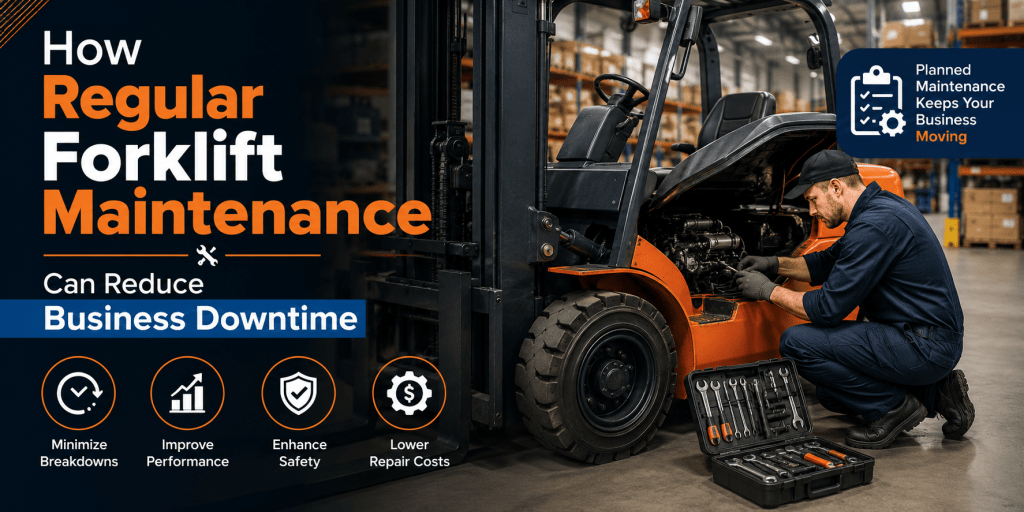
Many businesses only service their forklifts after a breakdown occurs. Unfortunately, reactive maintenance often results in production delays, higher repair costs, missed delivery deadlines, and lost revenue. Preventive maintenance is a smarter strategy because it identifies small issues before they become expensive failures.
Whether your business operates one truck or an entire fleet of Forklift Singapore equipment, scheduled maintenance keeps machines reliable, safe, and productive.
Companies also evaluating forklifts for sale or an electric forklift for sale should understand that proper maintenance greatly improves return on investment throughout the equipment’s service life.
Why Forklift Downtime Is Expensive
Unexpected forklift failures affect much more than the machine itself. They impact the entire workflow.
Business downtime may lead to:
- Delayed shipments
- Missed production targets
- Idle warehouse staff
- Increased overtime costs
- Customer dissatisfaction
- Emergency repair expenses
- Reduced operational efficiency
Even one forklift being unavailable during peak operations can create bottlenecks throughout the warehouse.
Benefits of Regular Forklift Maintenance
1. Prevents Unexpected Breakdowns
Routine inspections identify worn parts before they fail.
Maintenance technicians can replace:
- Hydraulic hoses
- Brake components
- Chains
- Bearings
- Filters
- Tires
- Belts
Replacing these components during scheduled servicing is far less expensive than emergency repairs after a breakdown.
2. Improves Workplace Safety
Poorly maintained forklifts create serious safety hazards.
Common maintenance-related risks include:
- Brake failure
- Hydraulic leaks
- Steering problems
- Tire blowouts
- Mast instability
- Battery issues
Routine servicing keeps equipment operating safely and helps reduce workplace accidents.
3. Extends Equipment Lifespan
Forklifts represent a significant capital investment.
Routine maintenance protects major systems including:
- Engine
- Transmission
- Hydraulic pump
- Mast assembly
- Cooling system
- Battery
With proper servicing, forklifts often remain productive for many additional years before replacement becomes necessary.
4. Reduces Repair Costs
Small repairs cost far less than major mechanical failures.
For example:
- Replacing hydraulic oil is inexpensive.
- Replacing damaged hydraulic cylinders is costly.
Preventive maintenance catches problems early, reducing overall maintenance expenses.
5. Improves Fuel and Energy Efficiency
Dirty filters, underinflated tires, worn engines, and neglected batteries force forklifts to consume more fuel or electricity.
Regular servicing helps maintain:
- Better fuel economy
- Longer battery runtime
- Faster charging efficiency
- Lower operating costs
Businesses operating electric forklifts especially benefit from proper battery maintenance.
Essential Forklift Maintenance Checklist
A comprehensive maintenance program should include:
Daily Inspection
- Check fluid levels
- Inspect tires
- Test brakes
- Examine forks
- Inspect mast chains
- Check warning lights
- Test steering
Weekly Inspection
- Lubricate moving components
- Check battery electrolyte
- Clean battery terminals
- Inspect hydraulic hoses
- Examine belts
Monthly Inspection
- Replace worn filters
- Inspect hydraulic cylinders
- Check wheel alignment
- Tighten loose bolts
- Test lifting capacity
Annual Preventive Maintenance
- Full mechanical inspection
- Hydraulic system servicing
- Battery performance testing
- Engine diagnostics
- Safety compliance inspection
Signs Your Forklift Needs Immediate Maintenance
Do not ignore these warning signs:
- Unusual engine noise
- Slow lifting speed
- Hydraulic leaks
- Brake problems
- Steering difficulties
- Excessive vibration
- Battery charging issues
- Dashboard warning lights
- Uneven tire wear
- Increased fuel consumption
Addressing these issues early prevents expensive repairs later.
Maintenance Tips for Electric Forklifts
Businesses investing in an electric forklift for sale should pay particular attention to battery care.
Best practices include:
- Charge batteries correctly
- Avoid deep discharge
- Keep terminals clean
- Monitor battery temperature
- Inspect charging cables
- Maintain proper water levels (if applicable)
- Store batteries in suitable conditions
Proper battery maintenance significantly extends equipment lifespan.
When Maintenance Is No Longer Enough
Even well-maintained forklifts eventually reach the end of their useful life.
Common indicators include:
- Frequent repairs
- Rising maintenance costs
- Reduced lifting performance
- Difficulty sourcing spare parts
- Poor fuel efficiency
- Repeated safety issues
At this point, businesses should evaluate forklift replacement Singapore options instead of continuing costly repairs.
Choosing Reliable Material Handling Equipment
When expanding operations, selecting dependable equipment is equally important.
Modern industrial forklifts Singapore offer:
- Higher lifting capacity
- Better operator comfort
- Improved safety systems
- Lower emissions
- Greater energy efficiency
- Smart diagnostics
- Reduced maintenance requirements
Investing in quality equipment helps minimize future downtime while improving productivity.
Preventive Maintenance Best Practices
To maximize forklift uptime:
- Follow manufacturer service intervals.
- Train operators to perform daily inspections.
- Keep detailed maintenance records.
- Replace worn parts immediately.
- Use qualified technicians.
- Maintain battery health.
- Keep forklifts clean.
- Monitor tire condition.
- Schedule servicing during non-peak hours.
- Conduct regular safety inspections.
A structured maintenance program ensures forklifts remain dependable throughout their operating life.
Conclusion
Regular forklift maintenance is one of the smartest investments any business can make. Preventive servicing reduces unexpected breakdowns, lowers repair costs, improves workplace safety, and extends equipment lifespan. Rather than waiting for failures that disrupt warehouse operations, businesses should adopt scheduled maintenance to keep equipment performing at its best.
Whether managing a single forklift or a large fleet, consistent servicing protects productivity and minimizes downtime. If repair costs continue to increase despite regular maintenance, upgrading equipment may be the better long-term solution.
Paves provides dependable material handling solutions to help businesses maintain efficient warehouse operations. Whether you are exploring maintenance support or considering new equipment, Paves can help you choose reliable solutions that maximize uptime and operational efficiency.
Frequently Asked Questions
1. Why is regular forklift maintenance important?
Regular maintenance prevents breakdowns, improves safety, extends equipment lifespan, and reduces costly business downtime.
2. How often should forklifts be serviced?
Daily operator inspections should be performed before use, while professional servicing should follow the manufacturer’s recommended maintenance schedule based on operating hours.
3. Can maintenance reduce operating costs?
Yes. Preventive maintenance minimizes emergency repairs, improves fuel or battery efficiency, and helps avoid expensive component replacements.
4. When should I consider forklift replacement instead of repairs?
If repair costs become frequent, parts are difficult to source, or equipment no longer performs efficiently, replacement is often more economical.
5. Are electric forklifts easier to maintain?
Electric forklifts generally have fewer moving parts than internal combustion models, but regular battery care and electrical inspections remain essential.


Leave a Reply